





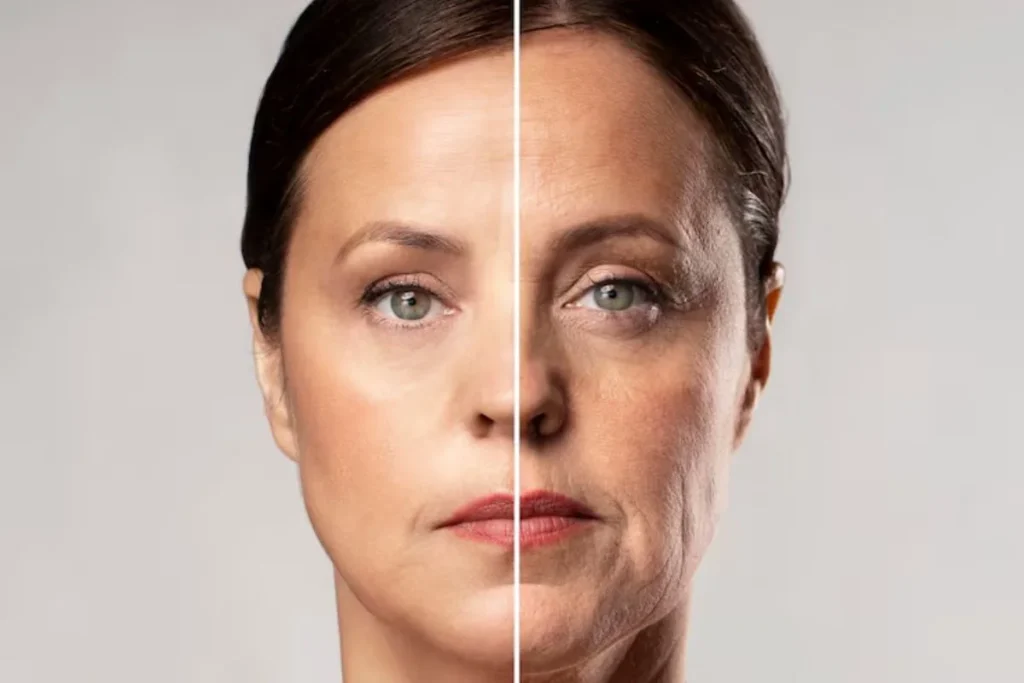
1. Thin Skin & Aging
The skin around our eyes gets thinner and loses collagen as we get older. This makes blood vessels stand out more and makes the skin look darker.

2. Genetics
You could have dark circles even if you don't sleep well or live a healthy life if they run in your family.

3. Hyperpigmentation
Too much melanin from being in the sun, hormonal changes, or inflammation can make the area under the eyes darker. This is more frequent in those with medium to dark skin tones.

4. Lack of Sleep & Fatigue
Being in the sun too much, hormonal changes, or inflammation can make the region beneath the eyes darker. People with medium to dark complexion tones are more likely to have this happen.

5. Dehydration
When the body is dehydrated, the skin around the eyes might look dull and sunken, which makes shadows look worse.

6. Allergies & Eye Rubbing
Allergies create irritation and repeated rubbing, which can hurt capillaries and make pigmentation worse.

7. Lifestyle Factors
Smoking, drinking too much alcohol, being under a lot of stress, and eating poorly all make skin weaker and harder to heal.
Safe Home Remedies That Can Help

These procedures won’t get rid of dark circles for good, but they can make them look less noticeable:
- Cold Compress
Helps constrict blood vessels and reduce puffiness. - Adequate Sleep
Aim for 7–8 hours of quality sleep daily. - Elevated Sleeping Position
Using an extra pillow reduces fluid buildup under the eyes. - Hydration
Drink enough water and use a gentle under-eye moisturizer. - Caffeine-Based Eye Creams
Caffeine temporarily tightens blood vessels and reduces darkness. - Sun Protection
Use sunscreen around the eyes and wear sunglasses outdoors.
Don’t use harsh DIY treatments like lemon juice, baking soda, or undiluted essential oils on your skin beneath your eyes because they can hurt it.
Ingredients That Actually Work in Eye Products

Look for these substances that have been shown to work in clinical settings:
- Vitamin C – Brightens and boosts collagen
- Niacinamide – Reduces pigmentation and strengthens skin barrier
- Retinol (low strength) – Improves texture and thickness over time
- Hyaluronic Acid – Hydrates and plumps
- Vitamin K – Helps with vascular dark circles
Professional Treatments for Dark Circles

If home care isn’t enough, a dermatologist may suggest:
- Chemical Peels
Light peels help reduce pigmentation safely. - Laser Therapy
Targets pigment and stimulates collagen production. - Dermal Fillers
Hyaluronic acid fillers reduce hollowness and shadowing. - PRP (Platelet-Rich Plasma)
Improves skin quality and collagen naturally. - Blepharoplasty (Surgery)
Recommended only for severe fat or skin sagging.
Treatment choice depends on whether the issue is pigmentation, hollowness, or vascular visibility.
Can Dark Circles Be Prevented?
Not always, but you can minimize them by:
- Getting consistent sleep
- Managing allergies
- Using sunscreen daily
- Staying hydrated
- Avoiding smoking
- Eating iron- and vitamin B12-rich foods
When to See a Doctor
Consult a healthcare professional if:
- Dark circles appear suddenly
- Only one eye is affected
- There is pain, swelling, or vision changes
Final Thoughts
Dark circles are widespread and usually not a sign of a health problem. Trends and harsh home remedies don’t work as well as the right treatment for the underlying reason.
A mild skincare routine, a healthy lifestyle, and, if necessary, expert help can all make under-eye circles look much better in a safe and effective way.