





The right skincare products can work wonders, but if you are making common errors, then your regime is going to be far less effective than it should be. By chasing trends, rather than science, many harm their skin barrier; induce acne, or accelerate aging unnecessarily.
This guide lists some of the most frequent mistakes people make with their skincare routine, why they are terrible for your skin, and what you should be doing instead.
1. Washing Your Face Too Often

Over-cleansing is one of the most common reasons skin starts feeling tight, dry, or irritated. Many people think frequent washing keeps the skin clean, but too much cleansing can strip away the natural oils your skin needs to stay balanced.
What can happen:
- Dryness and irritation
- More oil production
- Breakouts and sensitivity
What to do instead:
Washing your face at the beginning and end of the day is often enough to remove dirt, oil, and buildup. Use a gentle cleanser that does not leave your skin feeling squeaky or tight.
2. SkippiUsing Too Many Skincare Products at Onceng Sunscreen, Even Indoors

Sunscreen is not only for beach days or outdoor plans. Sun exposure happens during daily life, and UVA rays can still reach your skin through windows. That exposure adds up over time and can lead to pigmentation, uneven skin tone, and early signs of aging.
Why this matters:
Daily sun damage is one of the biggest reasons skin loses its smooth, even appearance.
What to do instead:
Use a broad-spectrum sunscreen with at least SPF 30 as part of your morning routine. If you spend time outside, reapply every two to three hours.
3. Overloading Your Skin With Too Many Products

Trying too many products together can confuse your skin and make it react badly. This is especially true when you mix active ingredients like retinol, acids, and exfoliants without understanding how they work together.
What can happen:
- Redness
- Irritation
- Breakouts
- Skin barrier damage
What to do instead:
A basic routine can go a long way, and adding products slowly makes it easier to see what actually suits your skin.
4. Not Choosing Products for Your Skin Type
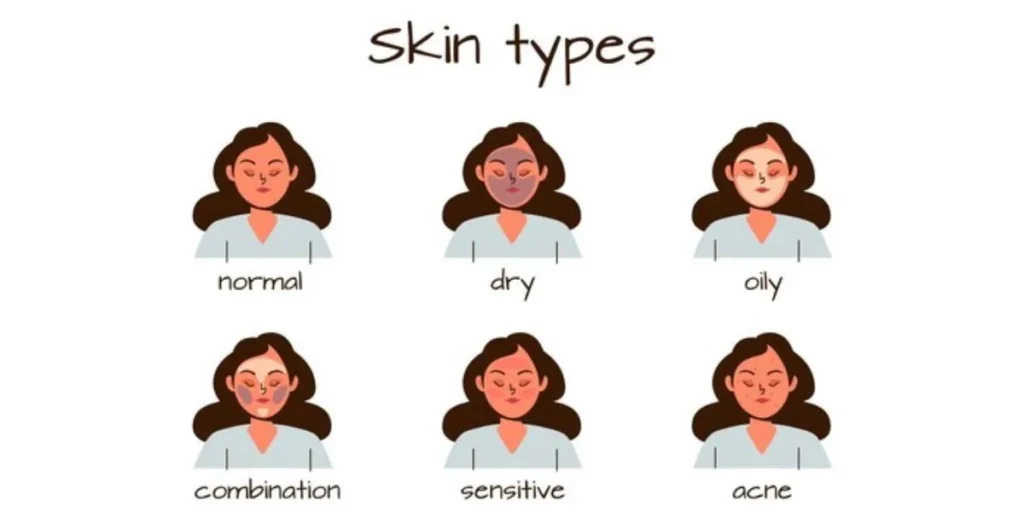
What suits another person may not suit your skin in the same way. Using products that do not match your skin type often leads to frustration and poor results.
For example, heavy creams may feel greasy on oily skin, while strong alcohol-based formulas can make dry skin feel worse.
What to do instead:
Pick skincare products according to your skin type, whether it is oily, dry, combination, sensitive, or prone to breakouts. It also helps to adjust your routine with the weather, since skin needs can change from season to season.
5. Exfoliating Too Much

Exfoliation can help improve texture and brightness, but too much of it can leave your skin raw and irritated. This is one of the fastest ways to weaken the skin barrier.
Signs you may be over-exfoliating:
- Burning or stinging
- Flaky but shiny skin
- Sudden sensitivity
- Redness that does not settle
What to do instead:
Exfoliate only one or two times a week unless a dermatologist advises otherwise. Avoid using physical scrubs and chemical exfoliants together in the same routine.
6. Sleeping with Makeup On

Leaving makeup on overnight traps oil, dirt, sweat, and bacteria on the skin. Over time, that can clog pores, dull your complexion, and trigger breakouts.
What can happen:
- Congested pores
- Acne flare-ups
- Rough, tired-looking skin
What to do instead:
Always remove your makeup before bed. On busy or exhausting days, micellar water or cleansing wipes can be a better option than sleeping in makeup.
7. Touching Your Face Too Often

It may seem harmless, but touching your face throughout the day transfers oil, dirt, and bacteria from your hands to your skin. This can make acne and irritation worse, especially around the cheeks, chin, and jawline.
What to do instead:
Try to keep your hands away from your face during the day. Clean your phone screen regularly too, since it also collects bacteria and oil.
8. Expecting Overnight Results

Skincare takes time. One of the biggest mistakes people make is switching products too quickly because they do not see immediate results. Most skincare ingredients need consistency before you notice real changes.
A realistic timeline:
- Acne may take 4 to 6 weeks to improve
- Dark spots and pigmentation may take 6 to 12 weeks or longer
- Skin barrier recovery may also need several weeks
What to do instead:
Stick with a routine long enough to judge it properly. Be patient and focus on consistency over quick fixes.
9. Skipping Moisturizer Because Your Skin Is Oily

A lot of people with oily or acne-prone skin avoid moisturizer because they think it will make their skin greasy. When the skin lacks moisture, it may start producing extra oil to make up for it.
What to do instead:
Choose a light, non-comedogenic moisturizer that keeps the skin hydrated without making it feel greasy or heavy. Moisturized skin is usually calmer, healthier, and better able to recover.
10. Following Viral Trends Without Research

Not every popular skincare hack is safe. Social media trends often spread quickly, but that does not mean they are suitable for your skin. DIY treatments can do more harm than good.
Avoid using things like:
- Lemon on the face
- Baking soda
- Toothpaste on pimples
- Harsh scrubs
- Strong alcohol-based toners
What to do instead:
Stick to evidence-based skincare. Patch test new products before using them fully, and be careful with anything that sounds extreme or too good to be true.
Quick Checklist: Skincare Mistakes to Avoid
- Following skincare trends blindly
- Over-washing your face
- Skipping sunscreen
- Using too many active ingredients
- Ignoring your skin type
- Exfoliating too often
- Sleeping with makeup on
- Touching your face all day
- Expecting overnight results
- Skipping moisturizer
Final Takeaway
Healthy skin does not always come from using more products. In most cases, it comes from using the right products consistently and avoiding habits that weaken your skin barrier. A simple routine built around cleansing, moisturizing, and sun protection is often far more effective than chasing every trend online.
When your skin feels irritated, sensitive, or out of balance, it is usually a sign to slow down and simplify your routine. And if problems continue, it is always smart to speak with a qualified dermatologist.