


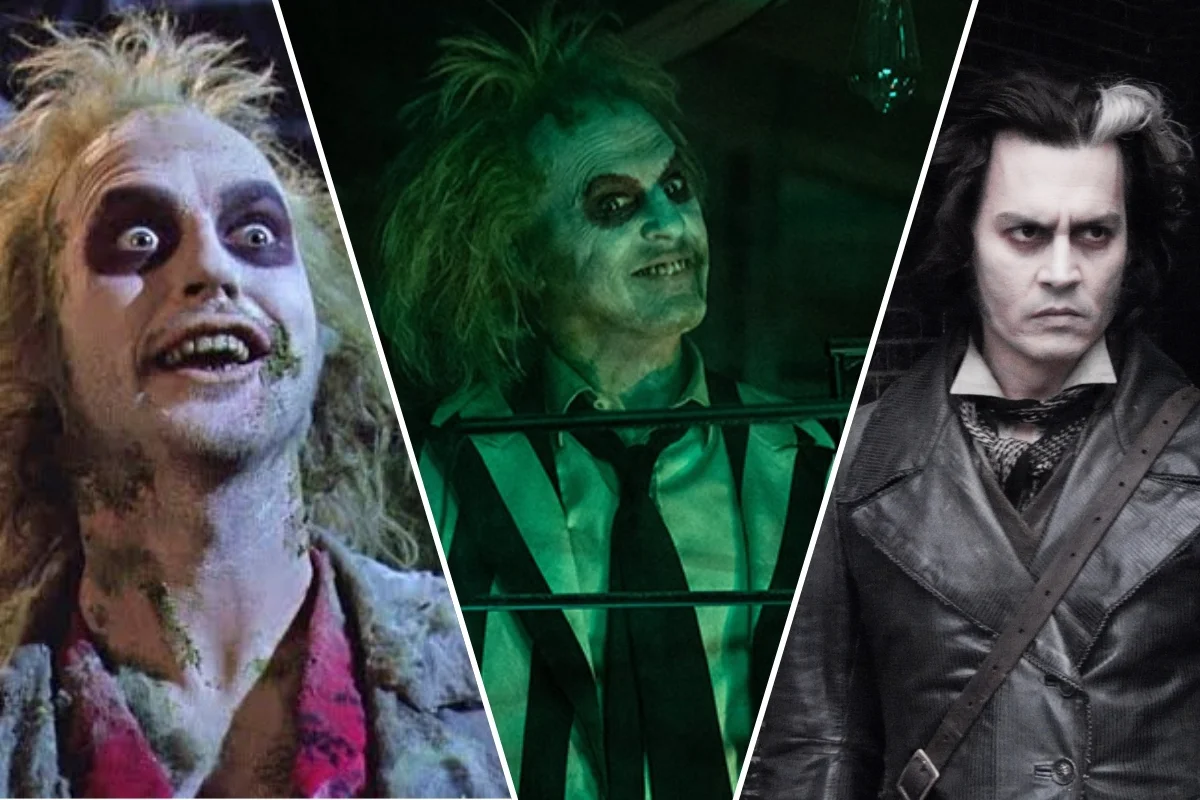
A crooked mansion, an eccentric outsider, and a world where the strange often feels more human than the ordinary. You can usually recognize Tim Burton’s touch before his name appears.
Across decades of filmmaking, Tim Burton movies have blended gothic fantasy, dark humor, memorable characters, and imaginative visuals. From Edward Scissorhands and Beetlejuice to Batman and Big Fish, his filmography includes both celebrated classics and ambitious misfires.
Here are 20 Tim Burton movies ranked based on storytelling, performances, originality, visual style, and lasting impact.
1. Edward Scissorhands (1990)
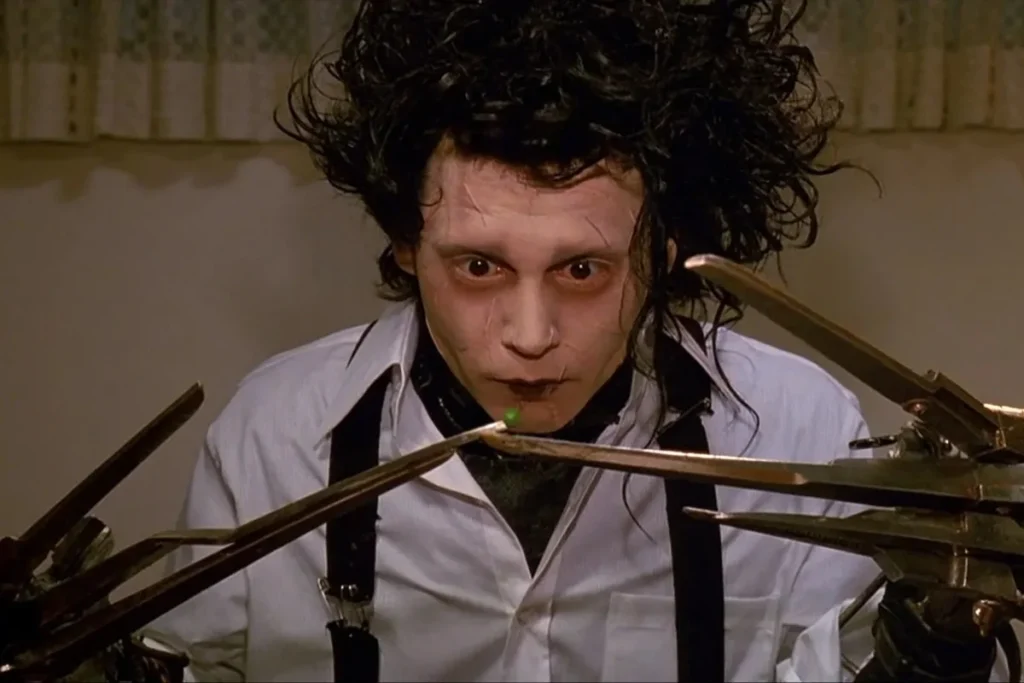
No film captures Tim Burton’s filmmaking identity quite as completely as Edward Scissorhands.
Johnny Depp plays Edward, an artificial man left unfinished with scissors instead of hands. His isolated existence changes when Peg brings him from his gothic mansion into a colorful suburban neighborhood.
At first, Edward’s differences make him fascinating to the community. Eventually, those same differences make him a target.
The contrast between Edward’s dark home and the neighborhood’s pastel houses visually reinforces the movie’s ideas about conformity and belonging. Beneath its unusual fantasy premise is a deeply human story about loneliness, acceptance, and how quickly curiosity can become cruelty.
It remains one of the best introductions to Burton’s entire body of work.
2. Ed Wood (1994)
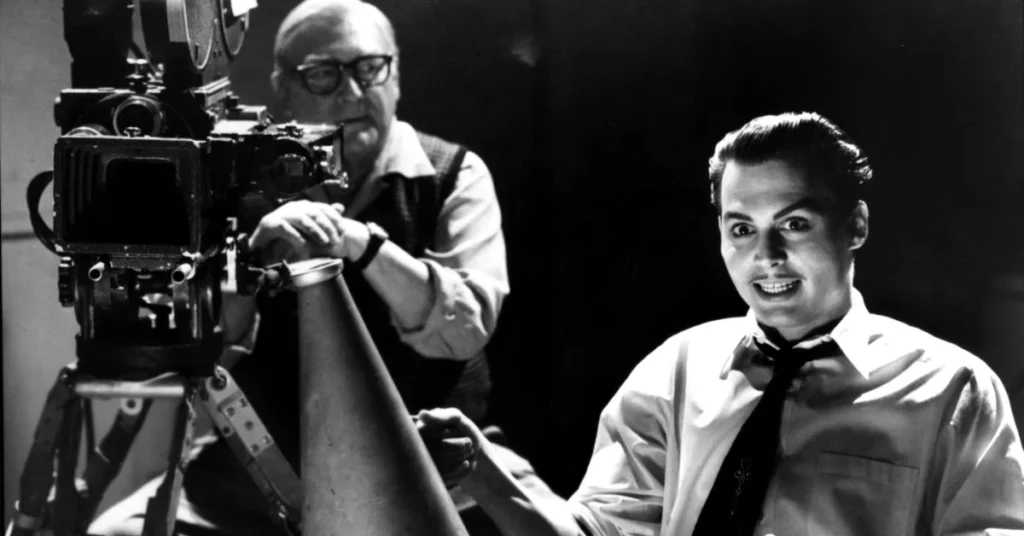
Ed Wood finds Burton telling the story of another kind of outsider: a filmmaker determined to create movies despite having little money and even less critical respect.
Johnny Depp plays Ed with relentless optimism, while Martin Landau delivers the film’s most affecting performance as aging horror icon Bela Lugosi.
Rather than mocking Wood for making notoriously unsuccessful movies, Burton treats his enthusiasm with genuine affection.
That makes Ed Wood particularly revealing. It’s a movie about continuing to create even when conventional measures of success suggest you should stop.
Its black-and-white cinematography also beautifully recreates the atmosphere of low-budget 1950s filmmaking.
3. Beetlejuice (1988)
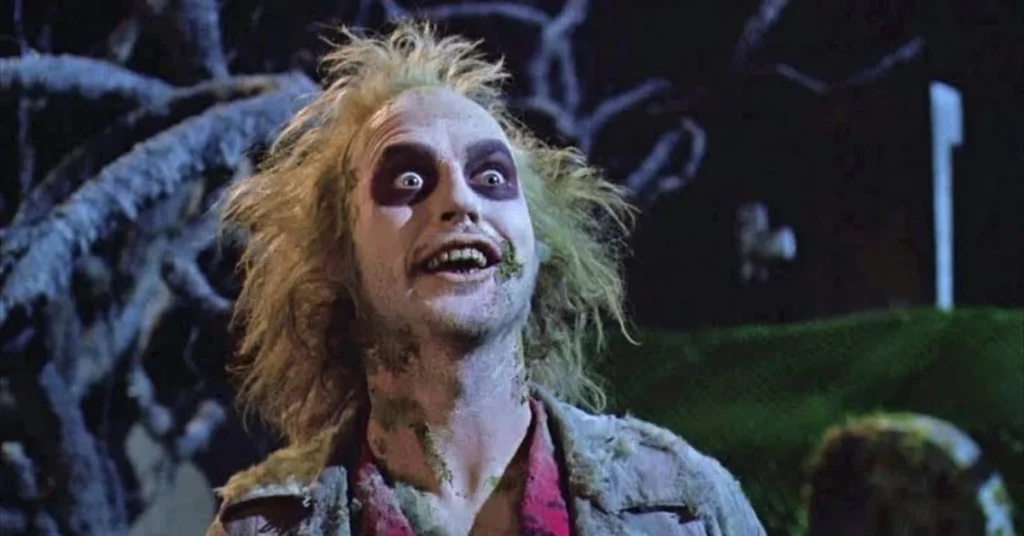
Beetlejuice helped establish many elements audiences now associate with Tim Burton movies.
The afterlife operates through bizarre bureaucracy, ghosts receive instruction manuals, strange creatures appear without explanation, and Michael Keaton delivers an explosive performance as Betelgeuse.
Yet the film’s emotional center comes from its outsiders.
The recently deceased Maitlands feel displaced from their own home, while Lydia Deetz feels disconnected from her living family. Their unlikely relationship gives the supernatural comedy unexpected warmth.
Its combination of practical effects, stop-motion imagery, horror, absurd humor, and memorable production design still feels remarkably distinctive.
4. Batman Returns (1992)
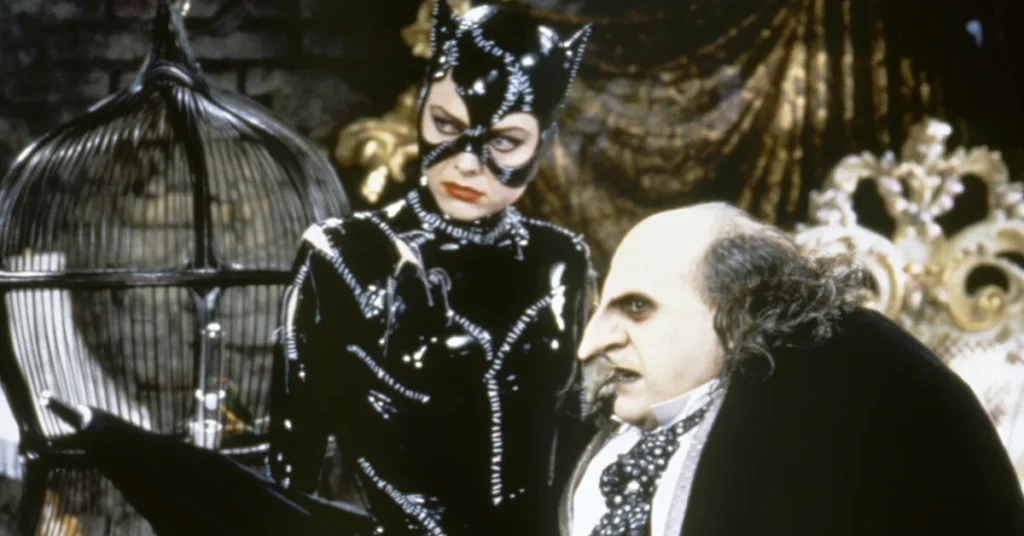
Batman Returns feels less like a conventional superhero sequel and more like a gothic Tim Burton fairy tale that happens to feature Batman.
Michael Keaton returns as Bruce Wayne, but Michelle Pfeiffer’s Catwoman and Danny DeVito’s Penguin frequently dominate the story.
All three central characters are outsiders in different ways.
That gives Burton an opportunity to explore one of his favorite themes from several perspectives. Catwoman responds to mistreatment with rebellion, while Penguin’s rejection develops into resentment and vengeance.
The snow-covered Gotham, expressionistic sets, unusual costumes, and darker character work make Batman Returns one of the most distinctive superhero movies of its era.
5. Batman (1989)
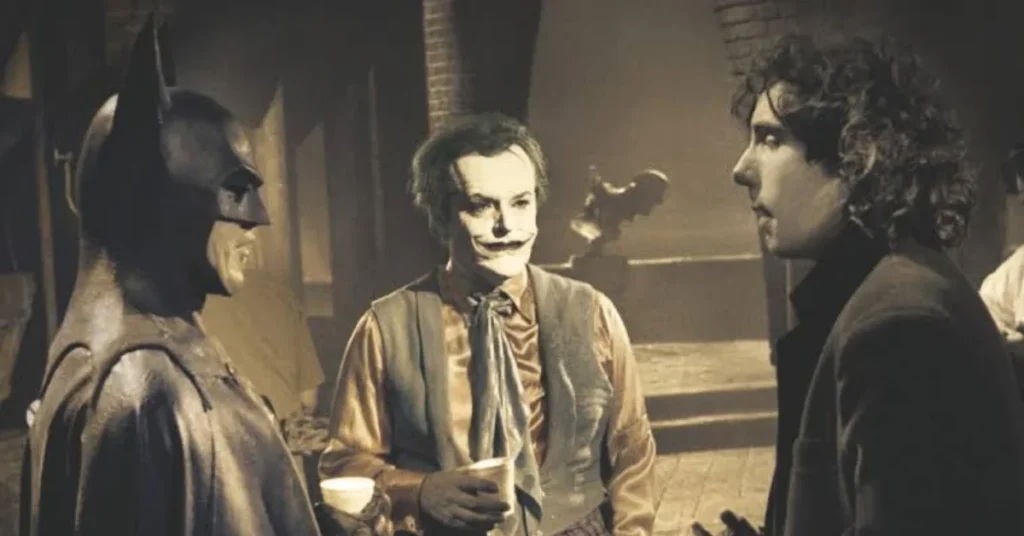
Burton’s first Batman helped establish that a major superhero movie could embrace darkness without abandoning blockbuster entertainment.
Michael Keaton’s Bruce Wayne is quiet and psychologically distant, while Jack Nicholson’s Joker is theatrical, unpredictable, and deliberately excessive.
Gotham itself is another major character.
Rather than attempting realism, Burton and production designer Anton Furst created an oppressive city filled with enormous architecture and industrial decay.
The superhero genre has changed enormously since 1989, but Burton’s interpretation remains instantly recognizable.
6. Big Fish (2003)
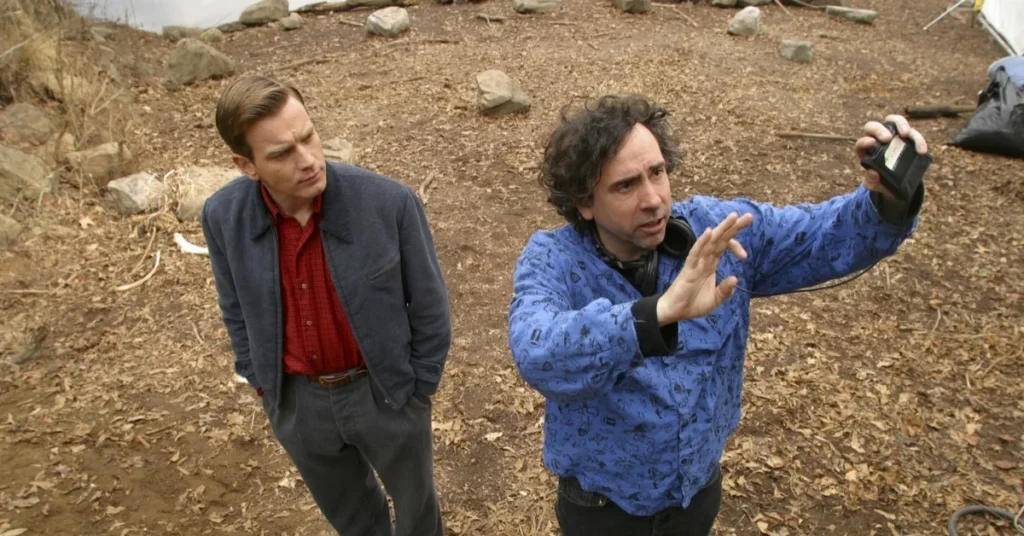
Big Fish uses fantasy differently from most Tim Burton movies.
Edward Bloom has spent his life telling incredible stories involving giants, witches, circuses, and extraordinary adventures. His skeptical son wants to discover how much of those stories is actually true.
Gradually, that question becomes less important.
The film instead explores why people tell stories and how those stories shape the way others remember them.
Ewan McGregor brings infectious optimism to the younger Edward, while Albert Finney gives his older counterpart greater emotional complexity.
It’s one of Burton’s warmest and most heartfelt films.
7. Sleepy Hollow (1999)
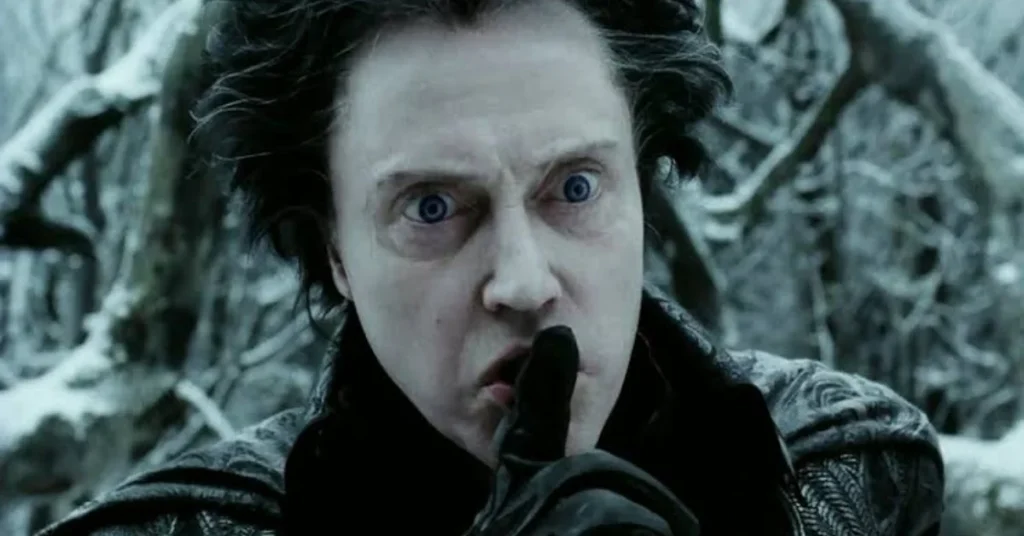
Few Burton movies embrace gothic horror as completely as Sleepy Hollow.
Johnny Depp plays Ichabod Crane as an investigator sent to examine a series of mysterious decapitations. His rational approach quickly collides with the apparently supernatural Headless Horseman.
Fog, twisted forests, decaying buildings, pale faces, and violent murders create an atmosphere inspired by classic horror cinema.
Rather than simply adapting Washington Irving’s story, Burton transforms it into a supernatural murder mystery.
For viewers searching for Tim Burton at his darkest, Sleepy Hollow is essential.
8. Sweeney Todd: The Demon Barber of Fleet Street (2007)
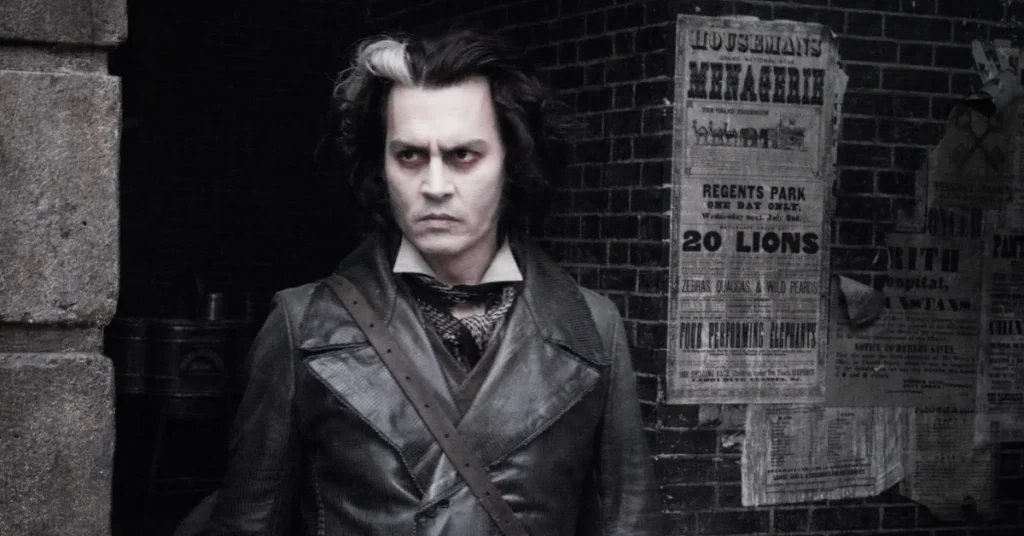
Stephen Sondheim’s murderous musical gives Burton material perfectly suited to his darker instincts.
Johnny Depp’s Sweeney Todd returns to London obsessed with revenge, while Helena Bonham Carter’s Mrs. Lovett brings humor and tragedy to the story.
The nearly colorless city makes the movie feel drained of life, allowing moments of violence to become especially striking.
Burton also handles the musical sequences without allowing them to feel disconnected from the film’s gothic atmosphere.
The result is one of his darkest and most stylistically consistent adaptations.
9. Pee-wee’s Big Adventure (1985)
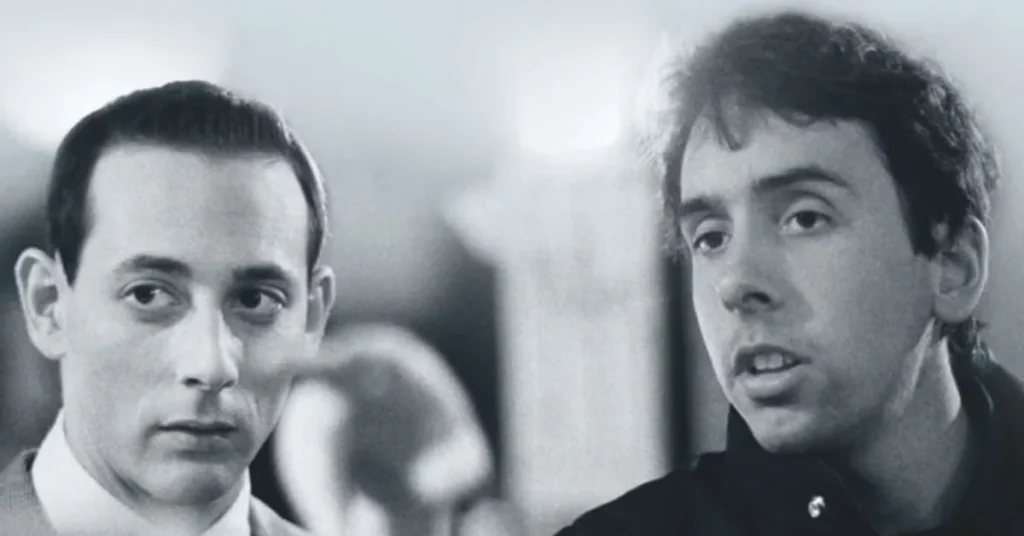
Burton’s feature-film debut already contains glimpses of the director he would become.
Pee-wee Herman’s search for his stolen bicycle develops into a surreal journey across America filled with bikers, criminals, eccentric strangers, and even supernatural encounters.
The famous Large Marge sequence is an especially early example of Burton mixing horror imagery with comedy.
It doesn’t have the elaborate gothic aesthetic of his later work, but the eccentric characters and playful weirdness are unmistakably his.
10. Corpse Bride (2005)
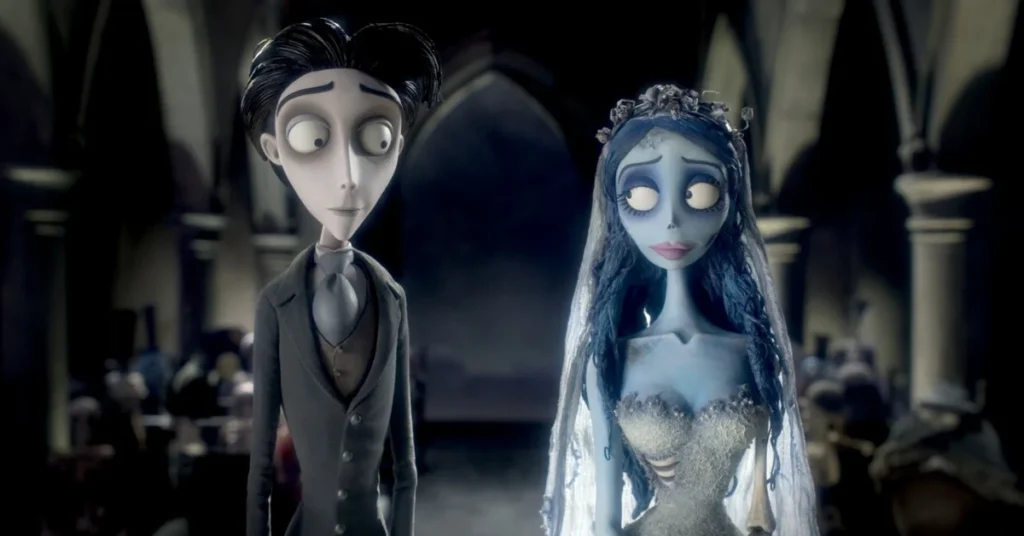
Co-directed by Tim Burton and Mike Johnson, Corpse Bride turns a supernatural love story into an elegant stop-motion fantasy.
Victor accidentally becomes engaged to Emily, a deceased bride who takes him into the Land of the Dead.
One of the film’s cleverest ideas is its visual contrast. The world of the living feels restrained and lifeless, while the supposedly frightening afterlife is energetic and colorful.
Emily also becomes much more than a gothic visual creation. Her sadness and generosity provide the story with its emotional core.
11. Beetlejuice Beetlejuice (2024)
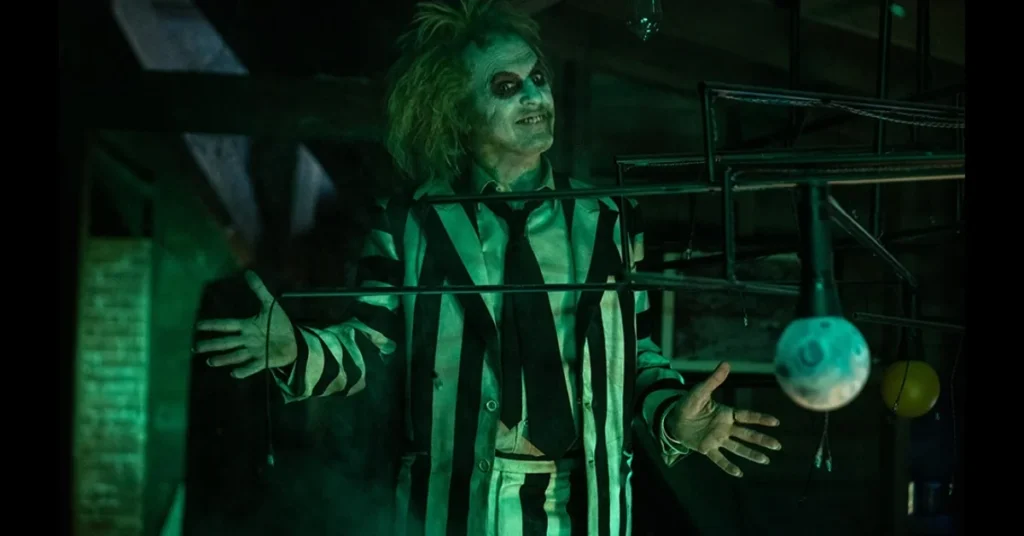
Returning to the world of Beetlejuice decades later could easily have resulted in a nostalgia-only sequel.
Instead, Beetlejuice Beetlejuice recaptures a surprising amount of Burton’s playful macabre energy.
Michael Keaton remains wonderfully chaotic as Betelgeuse, while Winona Ryder and Catherine O’Hara reconnect the story with the original. Jenna Ortega fits comfortably into the franchise’s strange supernatural world.
There are arguably too many storylines competing for attention, but practical effects, bizarre creatures, dark humor, and inventive set pieces make this one of Burton’s livelier recent films.
12. Frankenweenie (2012)
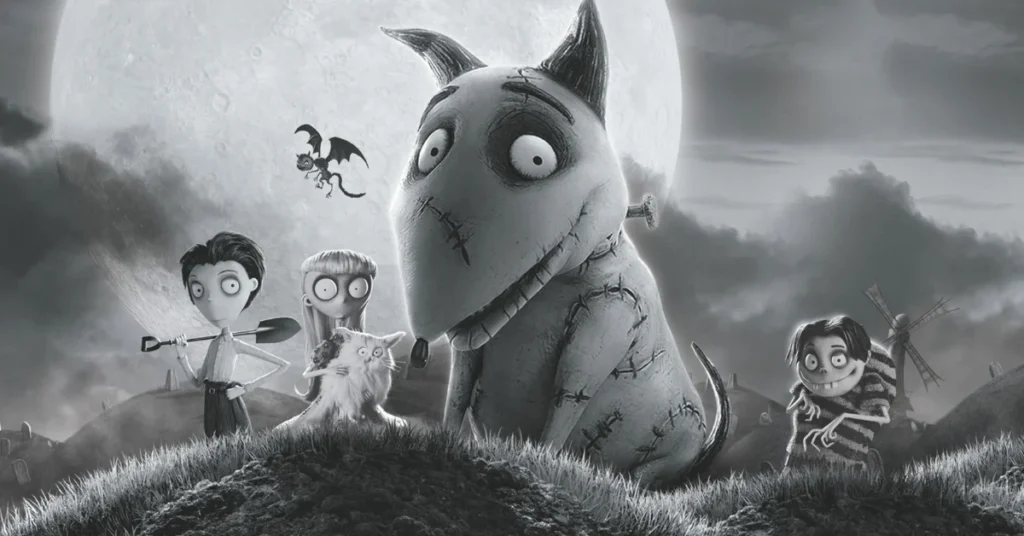
Frankenweenie expands Burton’s 1984 short film into a feature-length stop-motion story.
Young Victor Frankenstein loses his beloved dog Sparky and uses science to bring him back to life.
Naturally, the experiment doesn’t remain secret for long.
The black-and-white animation pays tribute to classic monster movies, while increasingly ridiculous experiments introduce creatures inspired by old horror and science-fiction cinema.
Underneath all the genre references is a simple story about grief and a child’s attachment to his pet.
13. Mars Attacks! (1996)
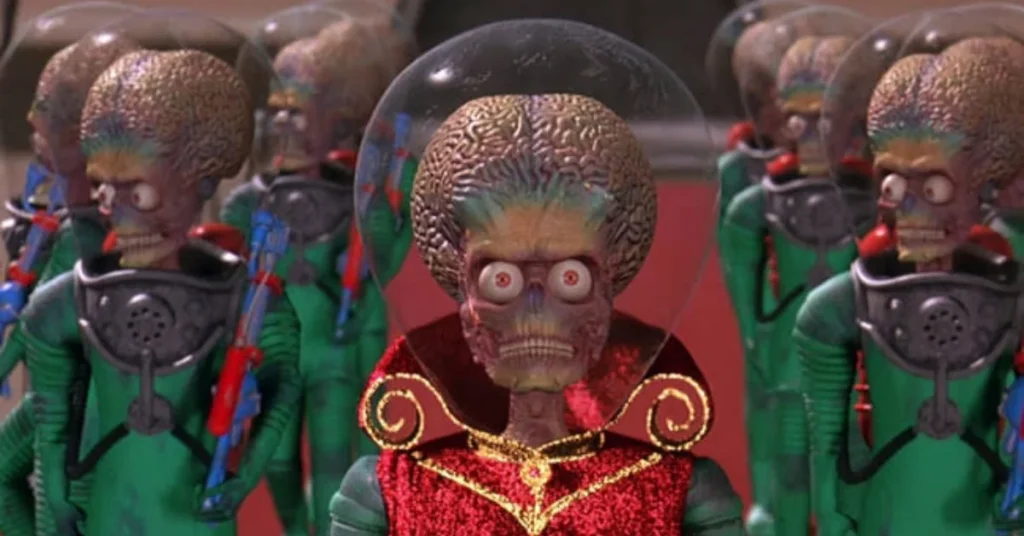
Burton takes the alien-invasion blockbuster and deliberately turns it into chaos in Mars Attacks!.
Its Martians aren’t sophisticated invaders. They’re gleefully destructive creatures who seem to enjoy confusing humanity almost as much as destroying it.
A huge ensemble cast adds to the unpredictability because celebrity status offers characters little protection.
The movie’s intentionally exaggerated tone divided audiences, but its combination of science-fiction parody, grotesque comedy, and B-movie influences has helped it develop a distinctive place in Burton’s filmography.
14. Charlie and the Chocolate Factory (2005)
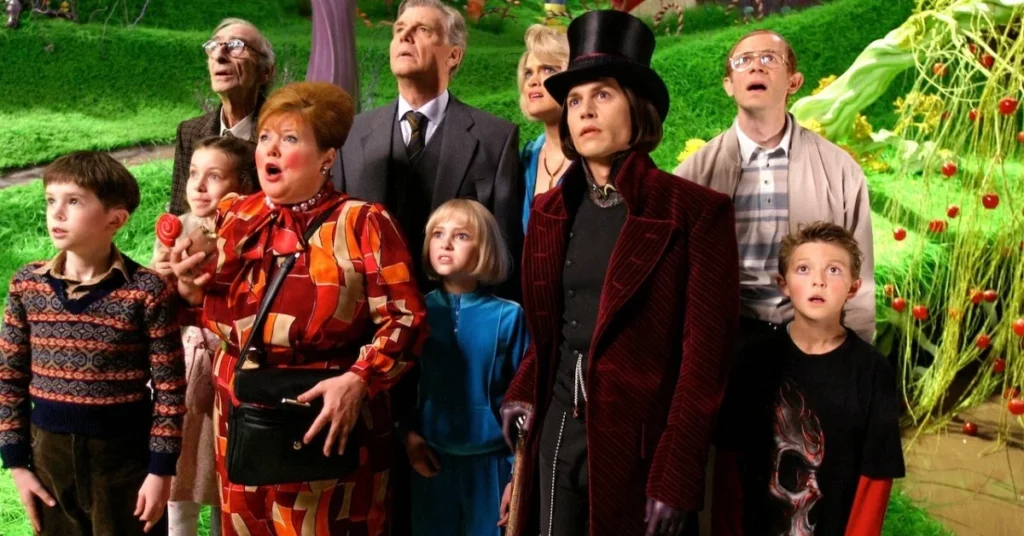
Burton’s adaptation of Roald Dahl’s novel creates a chocolate factory unlike almost anything else in his career.
The environments are enormous, colorful, artificial, and sometimes intentionally unsettling. Each section of the factory has its own personality.
Freddie Highmore gives Charlie an appealing sincerity, while Johnny Depp takes Willy Wonka in a much stranger direction.
The decision to explain Wonka through an added childhood storyline remains debatable, but the movie demonstrates Burton’s ability to build imaginative fantasy environments on a blockbuster scale.
15. Big Eyes (2014)
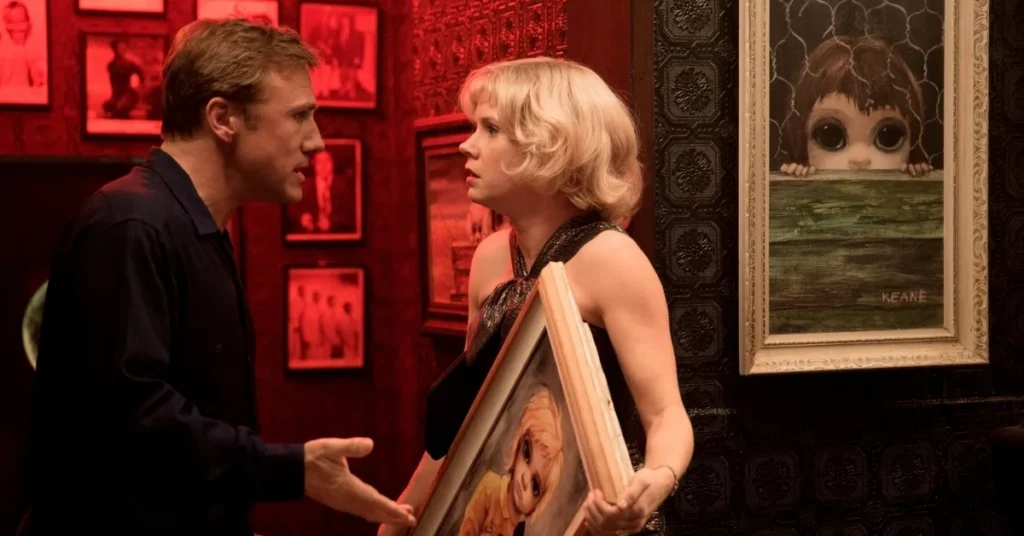
Big Eyes stands apart from Burton’s better-known fantasy films.
The movie dramatizes the story of artist Margaret Keane and her struggle against husband Walter Keane, who publicly claimed credit for her distinctive paintings.
Amy Adams gives the film a grounded emotional center.
Burton also keeps many of his usual stylistic tendencies under control, allowing the real-world story to remain central.
It may not be among his most visually iconic movies, but it demonstrates that Burton doesn’t require gothic castles or supernatural characters to explore creativity and outsiders.
16. Miss Peregrine’s Home for Peculiar Children (2016)
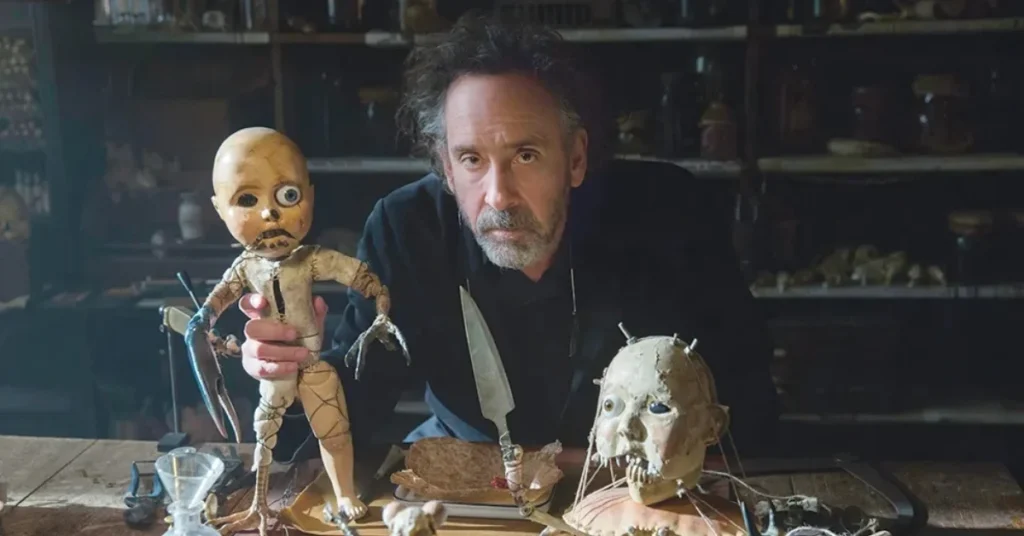
A mysterious home filled with unusual children gives Burton plenty of material that suits his sensibilities.
Eva Green’s Miss Peregrine feels particularly at home in this universe, while strange abilities and grotesque enemies allow Burton to return to dark fantasy.
The biggest obstacle is the amount of mythology packed into the movie.
Time loops, character histories, rules, villains, and numerous peculiar children make the narrative increasingly complicated.
Even so, its strongest sequences contain the combination of wonder and creepiness that Burton handles particularly well.
17. Dumbo (2019)
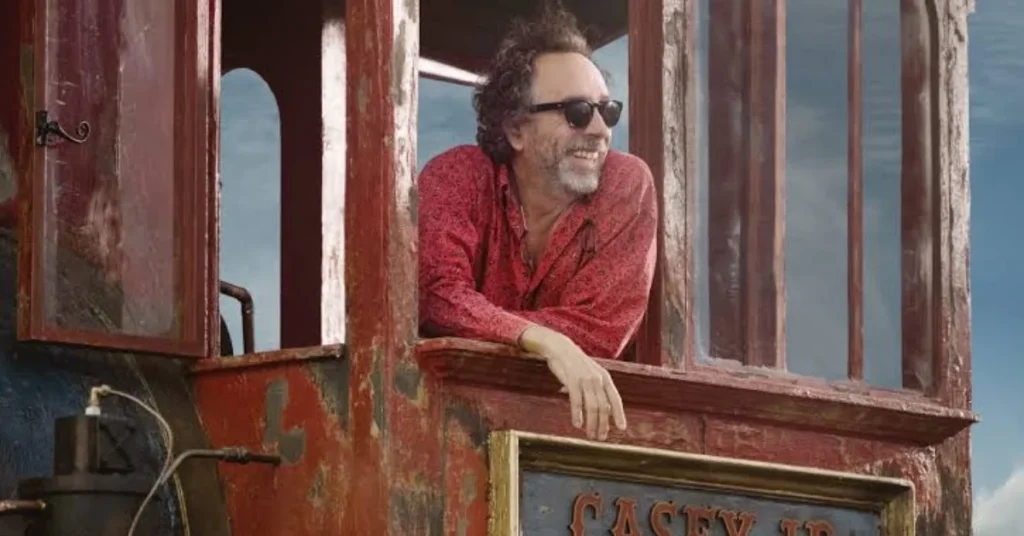
An elephant rejected because he looks different naturally fits Burton’s long-running interest in outsiders.
His live-action Dumbo expands Disney’s original story considerably, adding human characters and a larger conflict surrounding entertainment and exploitation.
The emotional connection between Dumbo and his family provides the movie’s strongest material.
However, the expanded human storyline doesn’t always have the same emotional power, leaving the movie polished and visually impressive without reaching Burton’s best work.
18. Alice in Wonderland (2010)
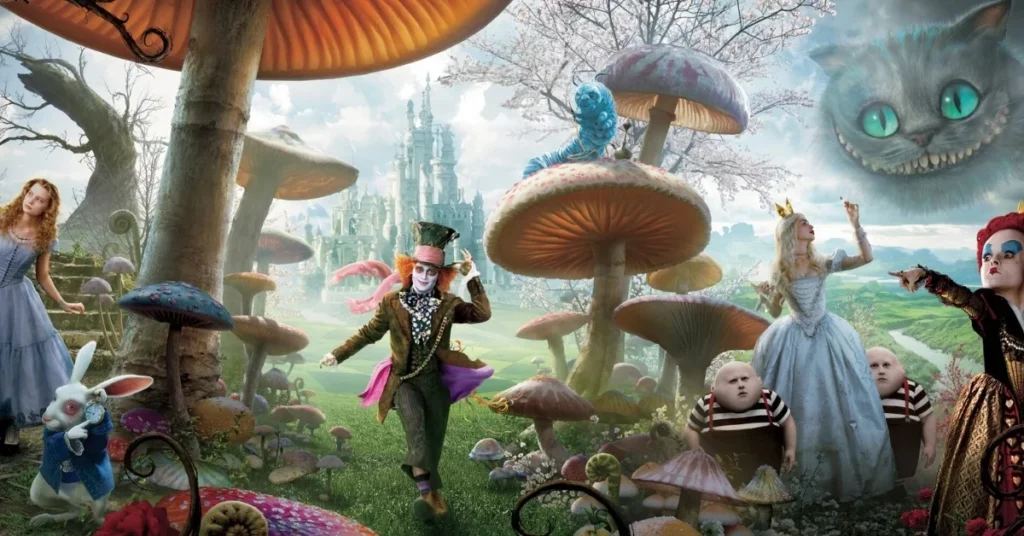
Burton’s interpretation of Wonderland contains enormous visual ambition.
Helena Bonham Carter’s Red Queen is especially memorable, and the film offers elaborate costumes, creatures, and environments.
However, turning Alice’s journey into a large-scale fantasy adventure makes Wonderland feel more conventional than it should.
The extensive digital imagery also gives the movie a very different texture from Burton’s strongest practical and stop-motion-influenced work.
It was a major commercial success, but financial scale doesn’t necessarily translate into one of Burton’s most satisfying films.
19. Planet of the Apes (2001)
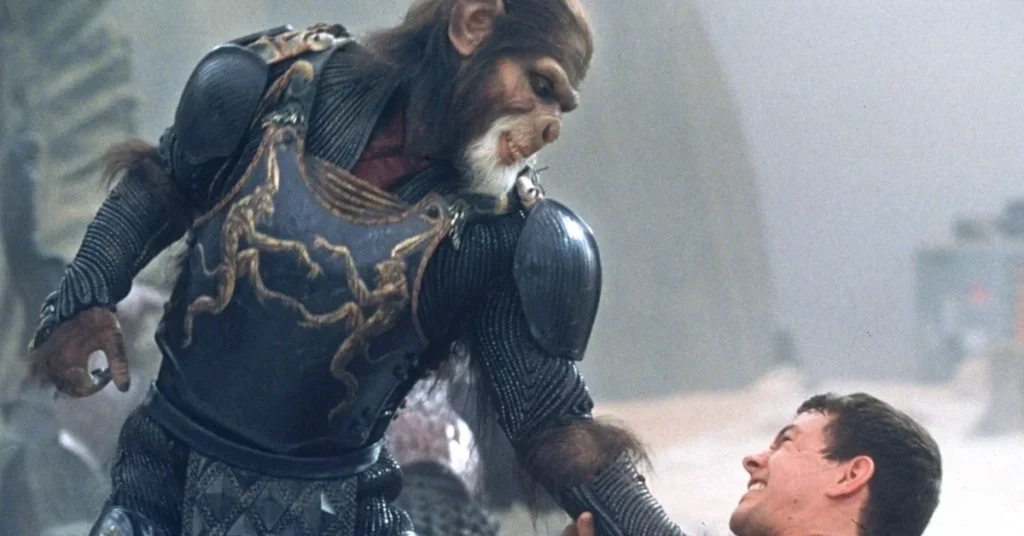
Planet of the Apes is one of Burton’s most unusual blockbuster assignments.
Its strongest elements come from the ape characters. Rick Baker’s makeup work remains impressive, while Tim Roth brings intensity to General Thade.
The narrative is much less successful.
Human characters struggle to make an impact, and the controversial ending creates more questions than satisfying answers.
There is considerable craftsmanship on screen, but relatively little of the emotional or visual personality that distinguishes Burton’s strongest movies.
20. Dark Shadows (2012)
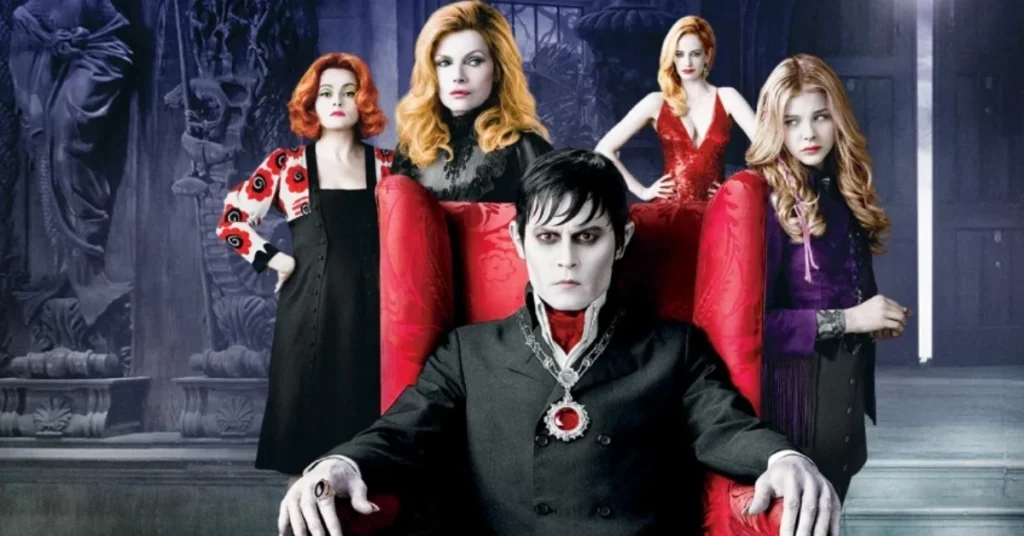
On paper, Dark Shadows contains almost everything associated with Burton: vampires, gothic mansions, supernatural romance, eccentric characters, Johnny Depp, and dark humor.
The problem is how those ingredients interact.
The movie struggles to decide whether it wants to be a supernatural melodrama, broad comedy, romance, or gothic horror story.
Individual performances and images can be entertaining, particularly Eva Green’s energetic Angelique, but the complete movie never develops a strong rhythm.
That makes Dark Shadows the weakest entry in this ranking—not because it lacks Burton’s recognizable ingredients, but because those ingredients rarely form a satisfying whole.
Which Tim Burton Movies Should You Watch First?
New viewers don’t need to watch Tim Burton’s filmography chronologically.
Start with Edward Scissorhands if you want the clearest expression of his recurring themes. Choose Beetlejuice for supernatural comedy, Batman Returns for gothic superhero filmmaking, or Sleepy Hollow for horror.
Those interested in Burton’s emotional side should watch Big Fish, while Ed Wood offers a fascinating look at his affection for unconventional artists and filmmaking itself.
Together, these Tim Burton movies demonstrate why his work remains so recognizable. His strongest films aren’t simply dark or visually unusual. They transform outsiders, monsters, strange worlds, and macabre ideas into stories that often reveal something surprisingly human.